
Is Rosarito Tap Water Safe to Drink?
Is Rosarito tap water safe to drink? A straight answer for expats — how the municipal supply works, why storage matters, and what to do about it.
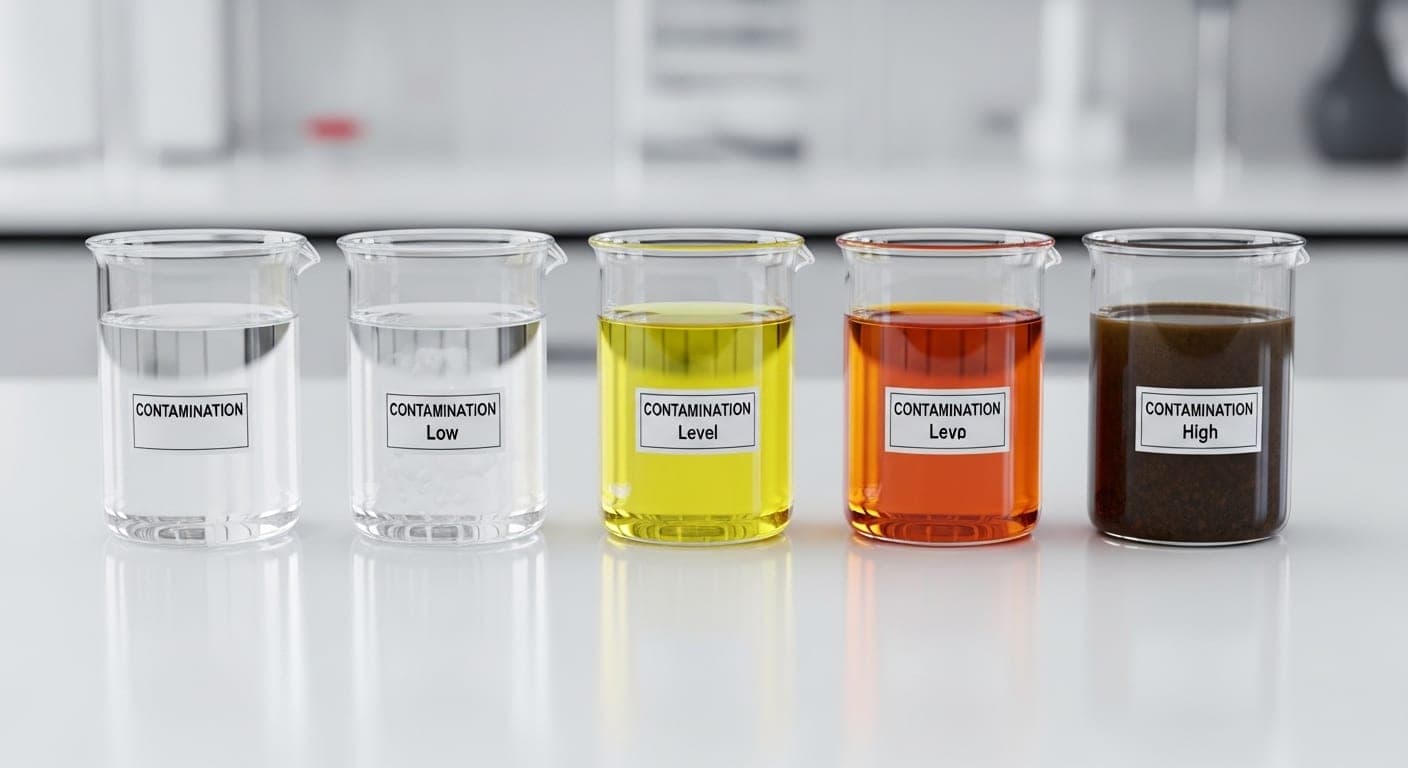
If you've just moved to Rosarito, one of your first questions is a practical one: can you drink the water that comes out of the tap? The honest short answer is don't drink it straight — and don't panic either. Nearly everyone here, Mexican families and expats alike, drinks filtered or bottled water at home. Once you understand why, the fix is simple.
Where your water comes from
Municipal water in Rosarito is supplied by CESPT — the Comisión Estatal de Servicios Públicos de Tijuana, the state utility that serves Tijuana, Rosarito, and Playas de Tijuana. The water is chlorinated before it enters the distribution network, which is what keeps bacteria in check at the street level. That chlorine smell you sometimes notice is actually a sign the system is doing its job.
The problem isn't usually the water leaving the treatment plant. It's everything that happens between the plant and your glass.
The chain from street to tap
Water travels a long way through aging distribution lines before it reaches your neighborhood. Along the way, pressure changes, pipe repairs, and old infrastructure can introduce sediment and, occasionally, contamination.
Then it arrives at your house — and in most Baja homes, it doesn't go straight to the faucet. It gets stored. Homes here typically have a rooftop tinaco (a storage tank, often a Rotoplas) and sometimes an underground aljibe (cistern). This storage exists because municipal supply isn't always continuous; tanks buffer you through low-pressure periods and outages.
Storage is practical, but it's also where water quality can quietly degrade. A tank that isn't cleaned periodically can accumulate sediment at the bottom and biofilm on the walls. Chlorine that was protecting the water dissipates while it sits. By the time water leaves your tinaco, it may not resemble what left the treatment plant. We cover this in more detail in how storage affects your water quality.
So is it dangerous?
Here's the honest framing. Rosarito tap water is generally considered fine for washing, showering, cleaning, and laundry — the things the existing post on working water versus drinking water calls "working water." Most people shower in it every day without a second thought.
For drinking and cooking, the standard local practice is not to use it untreated. The reason isn't a single proven hazard — it's that you can't personally verify the entire chain from plant to distribution to your own storage tank. Clear water can still carry coliform bacteria or dissolved contaminants you can't see, smell, or taste, which is exactly the trap we describe in how to know if your water is safe. When you can't verify, you treat or you bottle. That's the whole logic behind garrafones.
Your options for safe drinking water
You have three realistic paths:
- Garrafones. The 20-liter refillable bottles you'll see everywhere. Cheap and simple, but you're hauling, storing, and lifting them — and you're trusting the refill station's quality.
- Reverse osmosis at the kitchen sink. An under-sink reverse osmosis system pushes water through a semipermeable membrane that removes dissolved solids, heavy metals, and many chemicals, giving you unlimited drinking water from a dedicated faucet. No more bottles to carry.
- Whole-house filtration plus RO. A whole-house system improves every tap — cleaner showers, less chlorine smell, less sediment reaching your appliances — while RO handles the drinking water at the kitchen. This is the most complete setup for a home you plan to stay in.
Which one you need depends on your water, your home, and your budget. A tinaco that's regularly cleaned and a good RO unit is a very different situation from an unmaintained cistern feeding an unfiltered house.
Find out what's actually in your water
Rather than guess, get it measured. Our free in-home water test comes to your home in Rosarito and checks your water on the spot — TDS, hardness, pH, chlorine, turbidity, UV transmittance, and a coliform screen — so you see exactly what you're dealing with before you spend anything.
Book your free water test, or message us on WhatsApp at 664 337 7023. No cost, no obligation — just a clear answer about your own tap.
Frequently asked questions
- Can you drink tap water in Rosarito?
- As a rule, no — tap water in Rosarito is not treated as drinking water by locals or by most expats. It is fine for showering, washing, and cleaning, but for drinking and cooking almost everyone uses garrafones (20-liter bottles) or a home filtration system such as reverse osmosis at the kitchen tap.
- Why don't people in Rosarito drink the tap water?
- The municipal supply from CESPT is chlorinated, but water travels through old distribution lines and then sits in rooftop tinacos and underground cisterns at your home before it reaches the tap. Any of those stages can add sediment, biofilm, or bacteria. Because you can't verify the whole chain, the safe habit is to treat or bottle your drinking water.
- Is it safe to shower and brush your teeth with Rosarito tap water?
- Showering, bathing, and washing dishes with tap water is normal and generally fine. Many people also brush their teeth with it. If you're newly arrived, cautious, or have a sensitive stomach, use filtered or bottled water for brushing until your system is set up — it's a personal comfort call, not a strict rule.
- What's the best way to get safe drinking water at home in Rosarito?
- The two common options are garrafones (refillable 20-liter bottles) or an installed filter. A reverse osmosis system under the kitchen sink gives you unlimited filtered drinking water without hauling bottles, and a whole-house filter improves every tap. A free in-home water test tells you which combination your home actually needs.
Want clean water in your home?
Book a free water test. We'll tell you exactly what your home needs — no obligation.
Get a Free Water Test