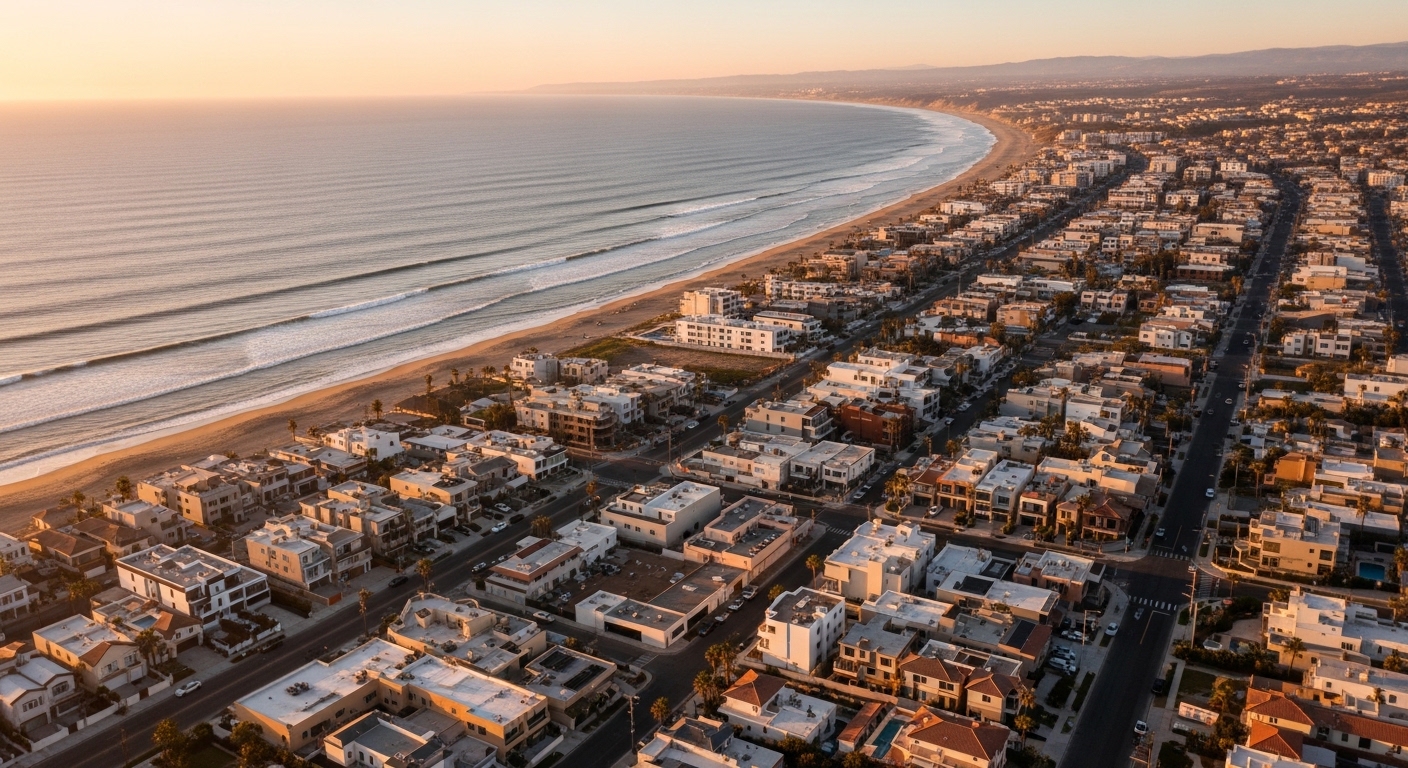

Rosarito Beach and the surrounding Baja California coast are growing faster than almost any comparable region in Mexico. New residential developments, hotel projects, and condo conversions are bringing a surge of both permanent residents and short-term property owners — and that growth is putting real pressure on water infrastructure that wasn’t designed for this pace of expansion.
For homeowners, whether expats or locals, understanding the current landscape matters — not to create alarm, but to make informed decisions about your water supply.
Infrastructure Under Pressure
Municipal water systems in Rosarito and nearby communities were built incrementally, often without coordinated long-term planning. Aging distribution pipes, variable supply pressure, and service interruptions are routine facts of life for many neighborhoods. When supply is interrupted and then restored, pressure changes can introduce sediment and briefly compromise water quality in ways that household plumbing isn’t designed to handle.
Water storage through cisterns and tinacos is the standard response — but it introduces its own vulnerabilities. A cistern that isn’t maintained properly becomes a contamination risk rather than a protection against one.
The Cistern Reality
The near-universal use of water storage tanks in Baja is both a strength and a weakness. It buffers against supply interruptions, which are common. But cisterns require regular inspection and cleaning to remain safe. Cracked or ill-fitting lids allow roof debris, insects, and rainwater runoff to enter the tank. Stagnant water with depleted chlorine residual is an environment where bacteria can establish and grow.
Most homeowners we visit have never had their cistern professionally cleaned or inspected. Many don’t know when — or if — it was last serviced. This is one of the most consistent findings across properties we evaluate in Rosarito.
What Expats Often Get Wrong
New arrivals from the US often assume that if water is connected and flowing, it meets a standard similar to what they’re used to. That assumption doesn’t hold in Baja — not because the municipal supply is inherently dangerous, but because the path from treatment plant to tap involves infrastructure and storage variables that don’t exist in most US residential contexts.
The other common mistake is trusting bottled water as a complete solution. Bottled water addresses drinking water only — it does nothing for the water running your appliances, your ice maker, your showerhead, or the produce you wash. A whole-house filtration system with UV sterilization provides protection across every water use in the home.
What a Properly Designed System Provides
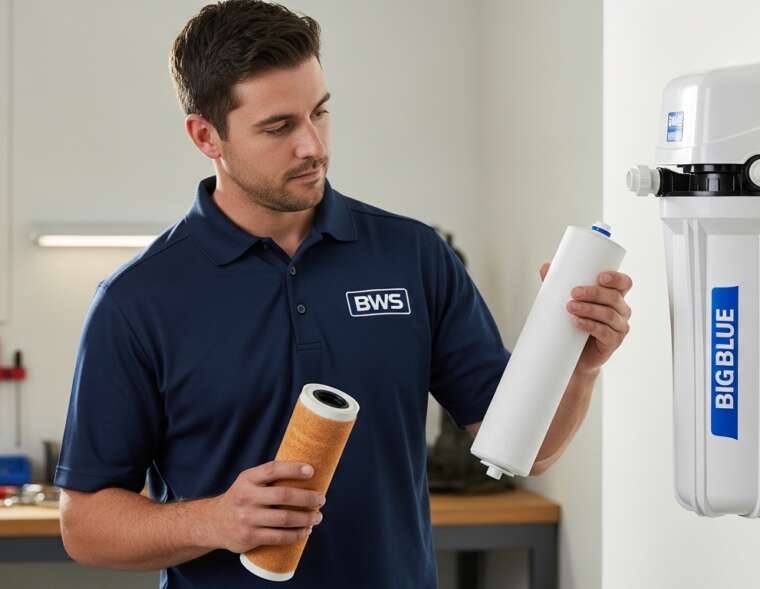
A whole-house system designed for Baja conditions — sediment pre-filtration, catalytic carbon for chlorine and chloramine removal, and UV sterilization — addresses the most common threats at the point of entry. Every tap, shower, and appliance receives treated water. The UV stage in particular provides a reliable disinfection backstop regardless of what happened in the cistern.
For drinking water, an under-sink RO system adds a final layer of purification that removes dissolved solids, heavy metals, and any residual contamination that made it through the whole-house system.
This Isn’t About Fear — It’s About Information
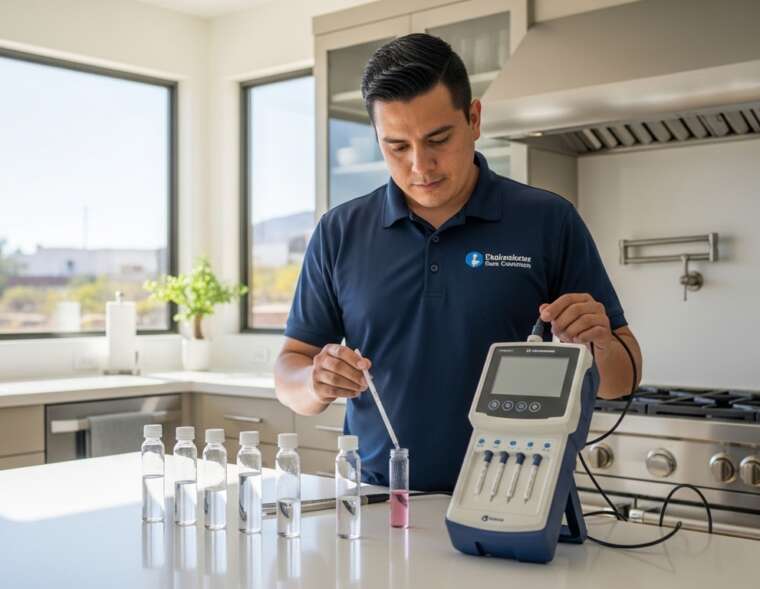
The goal of a water test and a properly designed system isn’t to suggest that Baja water is uniquely dangerous. It’s to replace assumptions with measurements. Most homes we test have manageable issues that a well-sized system addresses completely. Some have more serious findings that need to be addressed before equipment is installed. A very few test surprisingly well.
The point is: you don’t know until you test. And in a region where infrastructure variability is a known condition, knowing is always worth the hour it takes to find out.